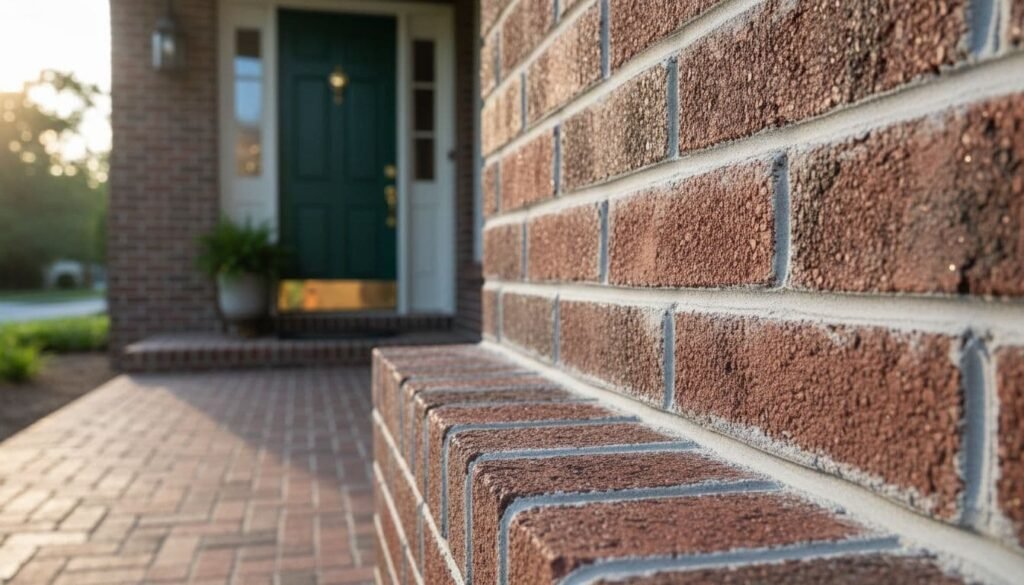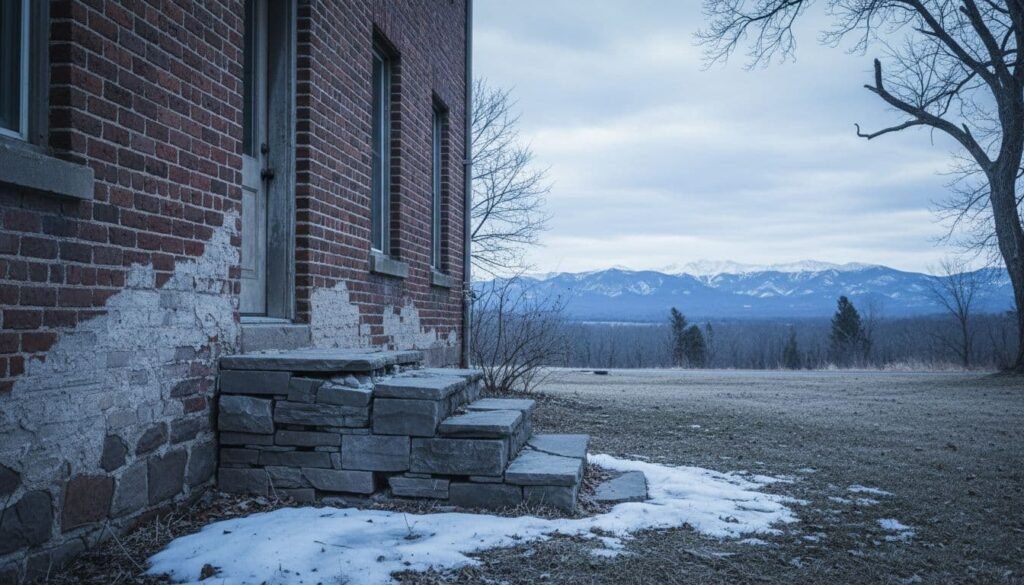
Ever notice a small crack in your brick steps after a long winter and wonder if it matters? In Montana, those “little” problems often trace back to freeze-thaw damage slowly working on your masonry.
If you are searching for information on freeze-thaw damage and its effect on Montana masonry, you’re not alone. Our climate is tough on brick, stone veneer, concrete block, and mortar. The good news is that early signs are easy to spot if you know what to look for.
This guide walks you through how freeze-thaw works, the most common warning signs in Billings homes, what you can maintain yourself, and when it is time to call a mason before costs jump.
What Freeze-Thaw Damage Does to Montana Masonry
Water is the real troublemaker. Masonry is full of tiny pores and hairline gaps. When water gets in, then freezes, it expands and pushes hard on the surrounding material.
Each freeze cycle opens those gaps a little wider. Each thaw allows more water to work in. Over many cycles, bricks start to crack, faces begin to flake, mortar loosens, and concrete surfaces pit and crumble.
This does not happen only to old buildings. Even newer brick, stone veneer, and concrete can break down if they hold moisture or were built with the wrong mix or poor drainage. For a short technical overview, you can read this helpful guide on the effects of freeze‑thaw on concrete and masonry.
In Montana, where temperatures swing above and below freezing many times each season, this cycle repeats often. That is why small defects grow faster here than in milder states.
Why Montana Homes Get Hit So Hard
Our weather creates perfect conditions for freeze-thaw damage. In Billings and the surrounding towns, winter often brings:
- Snow that piles against walls, steps, and foundation edges
- Daytime thaw from the sun and warmer air, even when nights stay cold
- Roof melt that drips onto walks, porches, and concrete pads, then refreezes
Masonry near driveways, roof eaves, and downspouts sees the worst abuse. These areas stay wet longer, so more water can soak in before the next freeze.
On top of that, shifting soils and frost heave under foundations and walkways can move the structure. That movement opens new cracks. Once there is a gap, water finds it, and the freeze cycle speeds up the damage.
Early Signs Of Freeze-Thaw Damage You Can Spot Yourself
Catching problems early is the cheapest “repair” you will ever make. Here are key signs to look for on brick, stone, block, chimneys, and concrete.
Hairline and Stair‑Step Cracks
Thin cracks in mortar joints or through bricks are often the first clue. A single hairline crack that does not change for years is not a big concern.
Watch for:
- Cracks that follow a stair‑step pattern through the joints
- Cracks wider than a nickel
- Cracks that grow longer or wider between seasons
These can mean movement, water entry, or both. When cracks run through several bricks or blocks, the wall might be starting to shift.
Spalling Brick, Stone, and Concrete Surfaces
“Spalling” is the flaking or popping off of the surface layer. It often looks like:
- Brick faces chipped away
- Pitted concrete with loose gravel showing
- Thin stone veneer faces breaking off in sheets
Spalling usually points to deep moisture problems and repeated freeze cycles. An article on the impact of freeze‑thaw cycles on concrete and stone shows how this process weakens both the surface and the structure underneath.
Shifting, Leaning, or Bulging Sections
Pay close attention to:
- Chimneys that lean or twist
- Basement or crawlspace walls that bow inward
- Brick or block walls that bulge in the middle
These are structural warning signs. Freeze-thaw may have weakened the masonry, then soil pressure or weight did the rest. Do not ignore these.
Efflorescence (White Powdery Stains)
Efflorescence is the white, chalky deposit that forms on the face of brick, block, or stone. It comes from salts in the masonry or mortar carried out by moving water.
On its own, it is mainly a cosmetic issue. However, it tells you that moisture is moving through the wall. If you see new or heavy efflorescence each spring, water is getting in, and freeze-thaw damage may follow.
Crumbling or Missing Mortar Joints
Mortar is often the first part to fail. Look for:
- Joints that are recessed or washed out
- Mortar that turns sandy when you scrape it
- Gaps between brick and mortar
Weak mortar lets in water and reduces the strength of the wall or chimney. Proper repointing by Billings masonry tuckpointing specialists restores both appearance and structural support.
Fall and Spring Masonry Inspection Checklist
Set aside 20 to 30 minutes each fall and spring. Walk slowly around your home with good light and take notes or photos.
Look closely at:
- Chimneys: leaning, missing bricks, cracked crown, loose cap
- Foundations: new cracks, damp spots, crumbling block, spalling concrete
- Brick or stone veneer walls: bulges, step cracks, loose or hollow‑sounding areas
- Steps, porches, and stoops: settled corners, cracked treads, flaking surfaces
- Retaining walls: leaning sections, bulges, missing mortar, tilting posts
- Garage slabs and driveways: heaving, deep cracks, standing water after storms
- Basement interiors: wet spots, musty smell, white staining on walls
- Gutters and downspouts: clogs, missing extensions, discharge too close to walls
For more seasonal tips, you can review this practical masonry repair guide for Montana homes.
What You Can Maintain Yourself vs When to Call a Pro
Not every issue needs a mason right away. Some minor problems are safe to watch or handle with basic care.
Jobs Most Homeowners Can Handle
You can usually take care of:
- Light efflorescence, brushed off with a stiff nylon brush and water
- Keeping snow piles, sprinklers, and downspout discharge away from masonry
- Cleaning dirt and algae from brick or concrete with a mild cleaner
- Marking small cracks with a pencil line or tape and checking if they grow
Avoid quick‑fix products that promise miracle results in one tube. Many are not designed for our freeze-thaw cycles and can trap water.
Problems That Need a Mason or Structural Expert
Call a professional mason or structural expert when you see:
- Cracks wider than 1/8 inch or that grow each season
- Stair‑step cracks across several bricks or blocks
- Chimneys that lean, separate from the house, or drop ash and brick pieces
- Bulging or bowing basement, retaining, or veneer walls
- Heavy spalling across many bricks, stones, or large concrete areas
- Repeated water leaks into a basement or living space
For chimney issues, it’s wise to contact professional chimney restoration services before you keep burning fires. For larger wall or foundation repairs, look into full brick masonry construction and repair so the fix matches the original build.
Early repairs often cost far less than waiting for a major rebuild.
How Pros Repair Freeze-Thaw Damage In Brick, Stone, and Concrete
A good mason starts with the source of water, then fixes the damage. Both steps matter.
Common repair methods include:
- Tuckpointing: Removing loose mortar to a set depth, then packing new, matched mortar into the joints. Proper mortar repointing and brick repair seal out water and tie the wall back together.
- Brick or stone replacement: Cutting out broken units, installing new ones, and matching color and texture as closely as possible.
- Chimney rebuilding: Repairing or replacing crowns, caps, and upper courses that see the most weather.
- Concrete repair: Routing and sealing cracks, resurfacing small damaged areas, or replacing badly failed slabs or steps.
- Water control and protection: Adjusting grading, extending downspouts, and in some cases, adding breathable sealers to high‑exposure areas.
For more ideas on protecting your masonry through winter, this freeze‑thaw maintenance guide offers useful tips that line up well with Montana conditions.
Conclusion: Stay Ahead Of Freeze-Thaw Damage
Freeze-thaw damage sneaks up on Montana masonry, but it leaves clear clues first. Small cracks, flaking faces, and crumbling joints are your early warning system.
Walk your property each fall and spring, use the checklist, and treat moisture as your main enemy. Addressing minor damage early almost always costs less than waiting for a major wall or chimney rebuild.
If something looks unsafe or keeps getting worse, bring in a local mason for a closer look. A short visit and a clear plan can save you both money and headaches down the road.